
Overview
Canada Jays occur in three distinct morphotypes. Since 2016, we have monitored a population of more than 100 individually marked Canada Jays of the Pacific morphotype in the Paradise Meadows area of Strathcona Provincial Park on Vancouver Island.
Unlike the widespread boreal morphotype, which typically lives as a breeding pair accompanied by a single non-breeding yearling from the previous breeding season, Pacific Canada Jays at Paradise Meadows live in large social groups that may contain up to 13 individuals. These groups often include two, or even three, breeding pairs that share a territory and raise young together. Group members may consist of immigrants as well as retained offspring from multiple breeding pairs, and their interactions are governed by complex social dominance hierarchies.
Canada Jays rely on thousands of caches of perishable food items to survive the winter and to support their unusually early breeding season in late winter. Across the southern and low-elevation portions of their range, populations are declining as warmer autumn temperatures increase spoilage of these food caches. This creates a unique opportunity to investigate how social dominance and plural breeding influence resilience to climatic stress, while providing broader insights into how complex social systems may help populations persist in a changing environment.
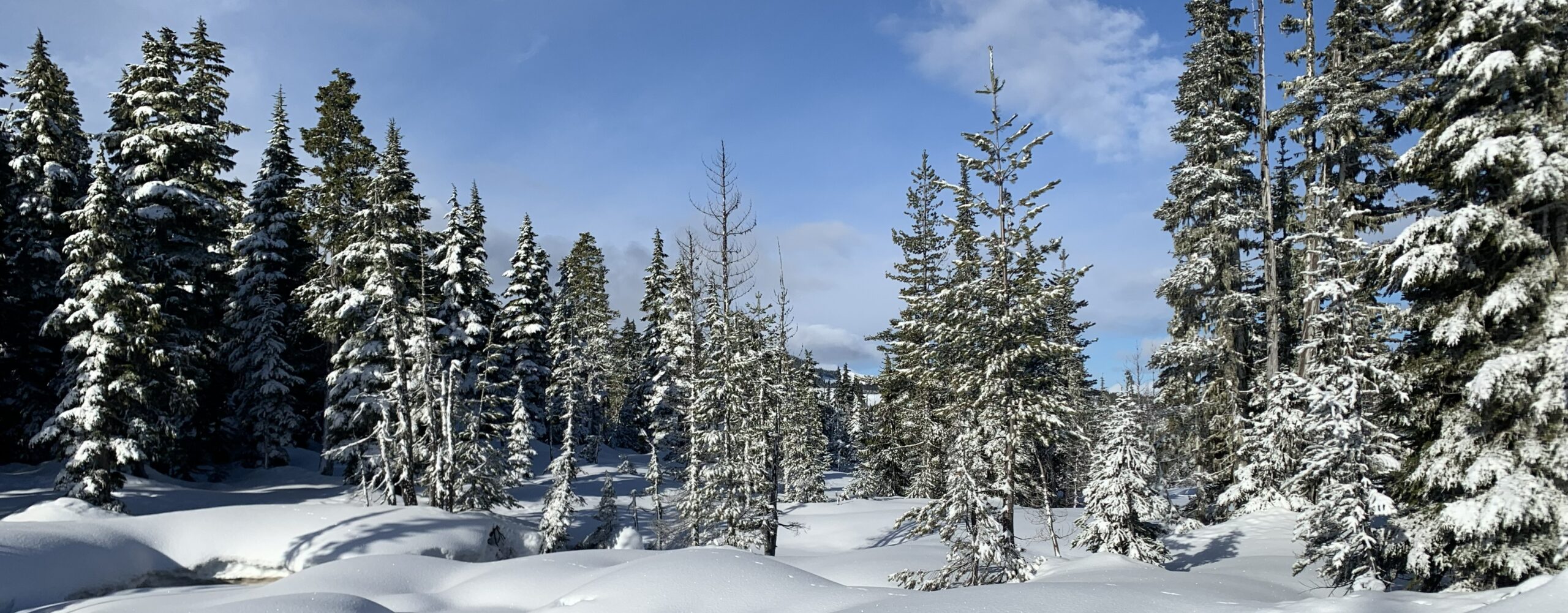
We monitor the Paradise Meadows population three times each year: in March before nesting begins, in June after fledglings appear, and again in the fall. Our study encompasses more than 20 territories across approximately 500 hectares of old-growth subalpine forest under permit from BC Parks. Resident birds are individually marked with unique combinations of coloured leg bands, allowing us to track survival, dispersal, reproduction, and social behaviour over time. We also collect blood samples to determine genetic relationships within social groups and to examine the fitness consequences of variation in social structure.
This research takes place on the Traditional Territory of the K’ómoks First Nation. We are building relationships with the K’ómoks Guardian Program to foster collaboration, community engagement, and reconciliation.
For more information about the study, please contact Dan Strickland ([email protected]) or Andie Siemens ([email protected]).
*scroll down past researchers and annual reports for photos of our research in Paradise Meadows.
Researchers
- Dr Ryan Norris (PI, University of Guelph)
- Dr David Green (PI, Simon Fraser University)
- Dan Strickland (former Chief Park Naturalist, Algonquin Provincial Park)
- Andie Siemens (PhD candidate, Simon Fraser University)
- Research Assistants:
- Halina van de Ligt (Summer 2025)
- Lianna Dall’ Antonia (Winter 2025)
- Zoe Strothkamp (Summer 2024)
- Elise Brinkman (Summer 2026)
Annual Reports
- 2017 Report Paradise Meadows Canada Jay
- 2019 Report Paradise Meadows Canada Jay
- 2020 Report Paradise Meadows Canada Jay
- 2021 Report Paradise Meadows Canada Jay
- 2022 Report Paradise Meadows Canada Jay
- 2023 Report Paradise Meadows Canada Jay
- 2024 Report Paradise Meadows Canada Jay
- 2025 Report Paradise Meadows Canada Jay
Photos of Canada Jay Research in Paradise Meadows
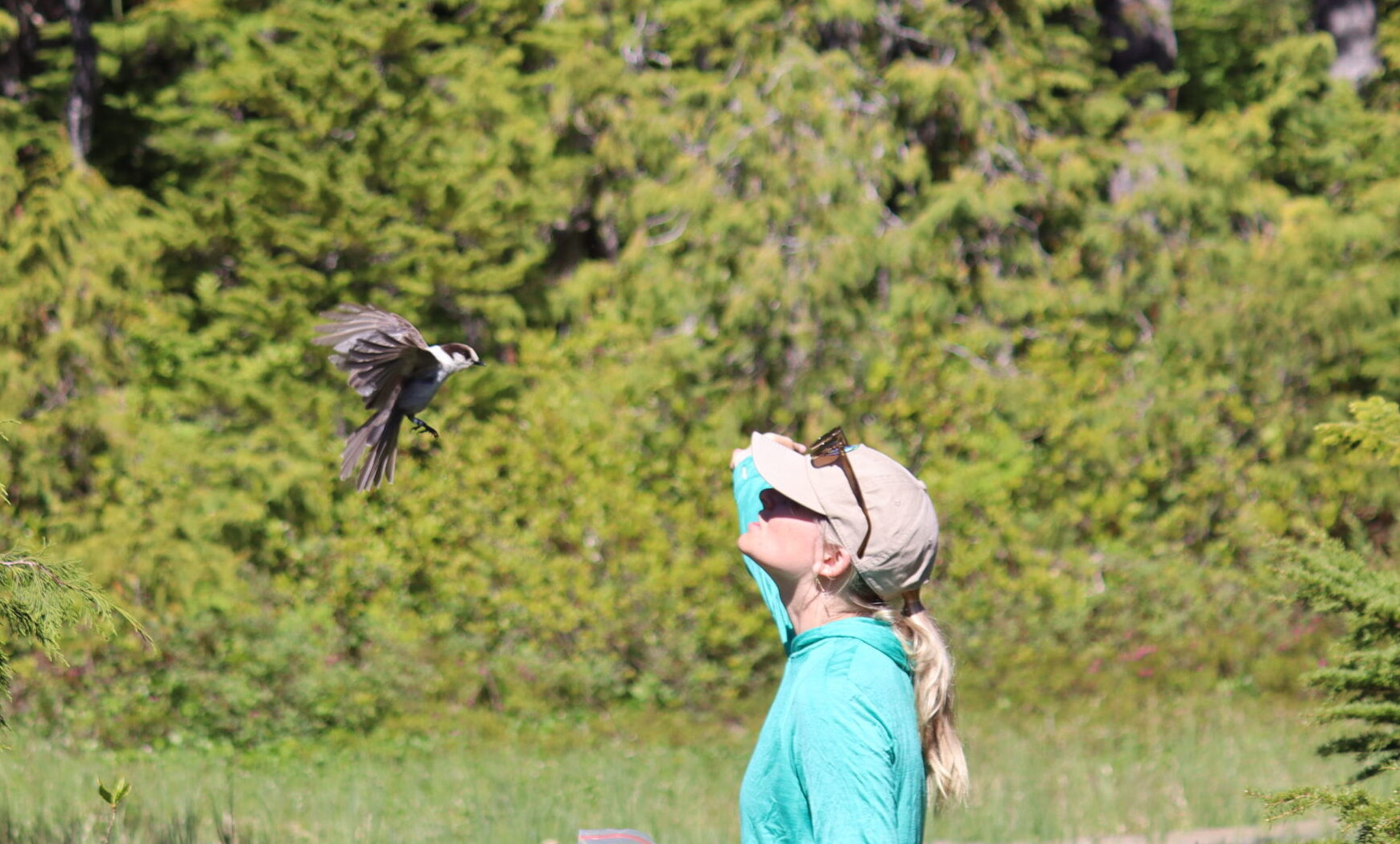
Adult Canada Jay flying down to researcher’s hand


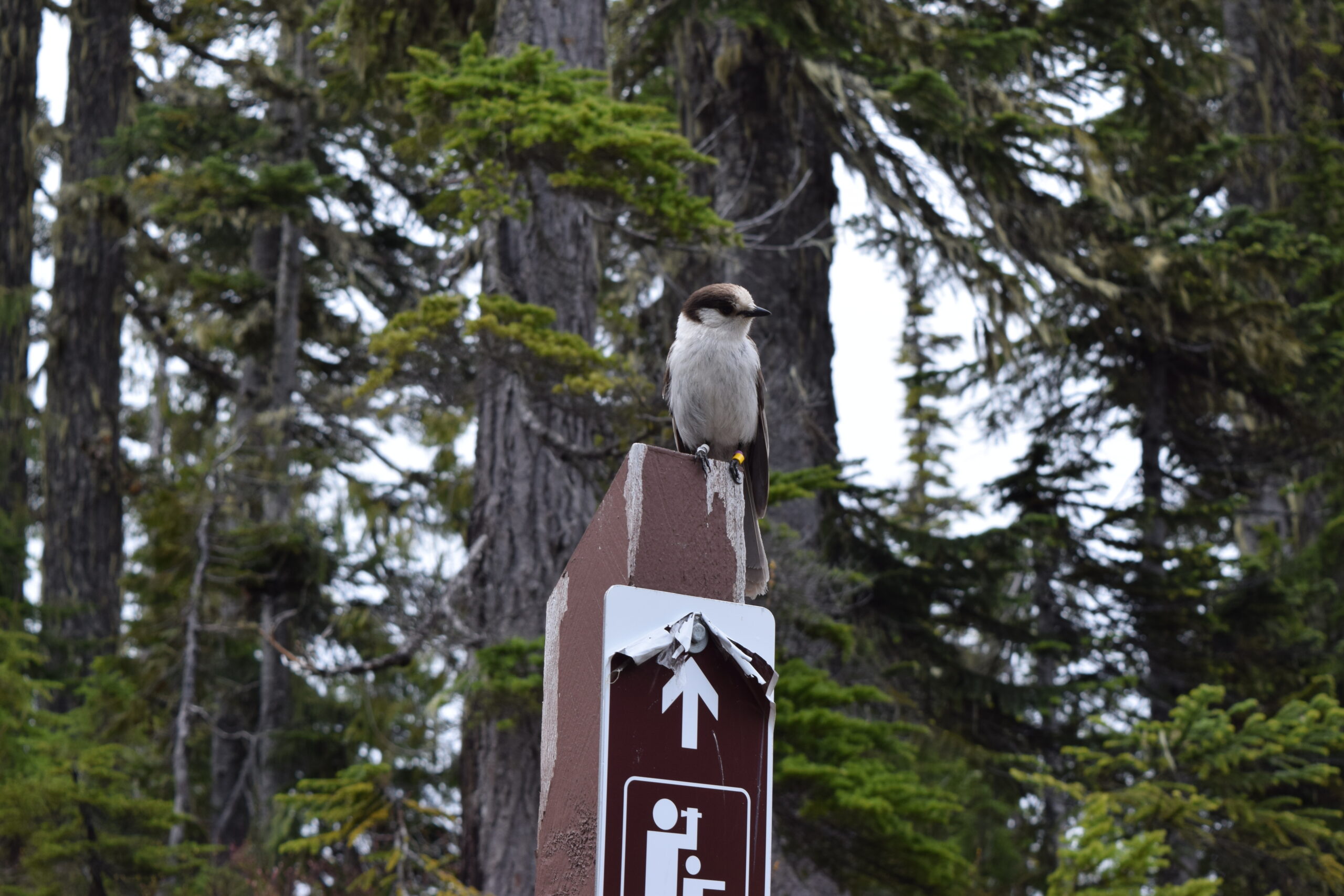
A colour-banded adult Canada Jay perched on a trail sign
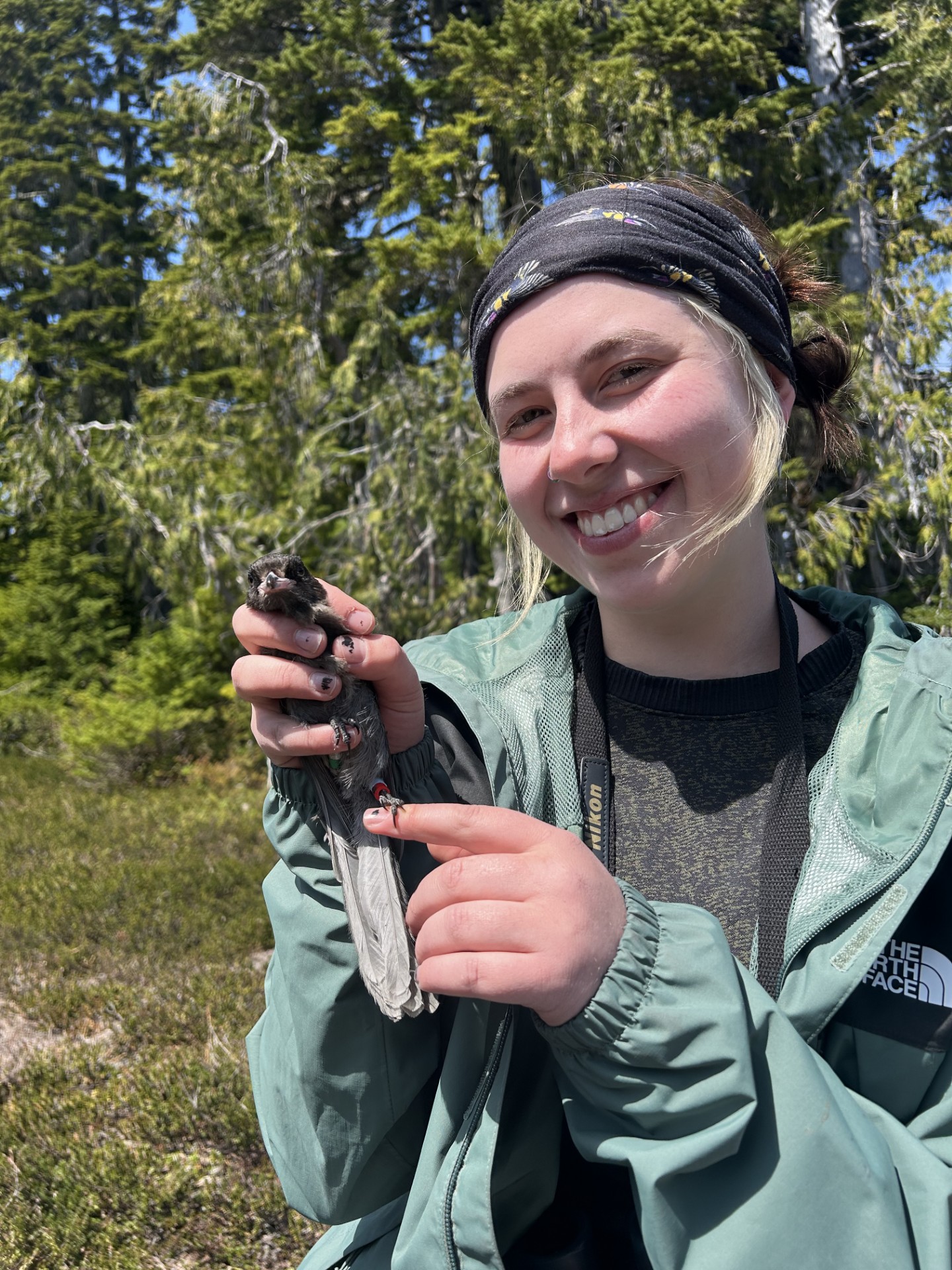
Research assistant, Halina van de Ligt, holding a juvenile Canada Jay
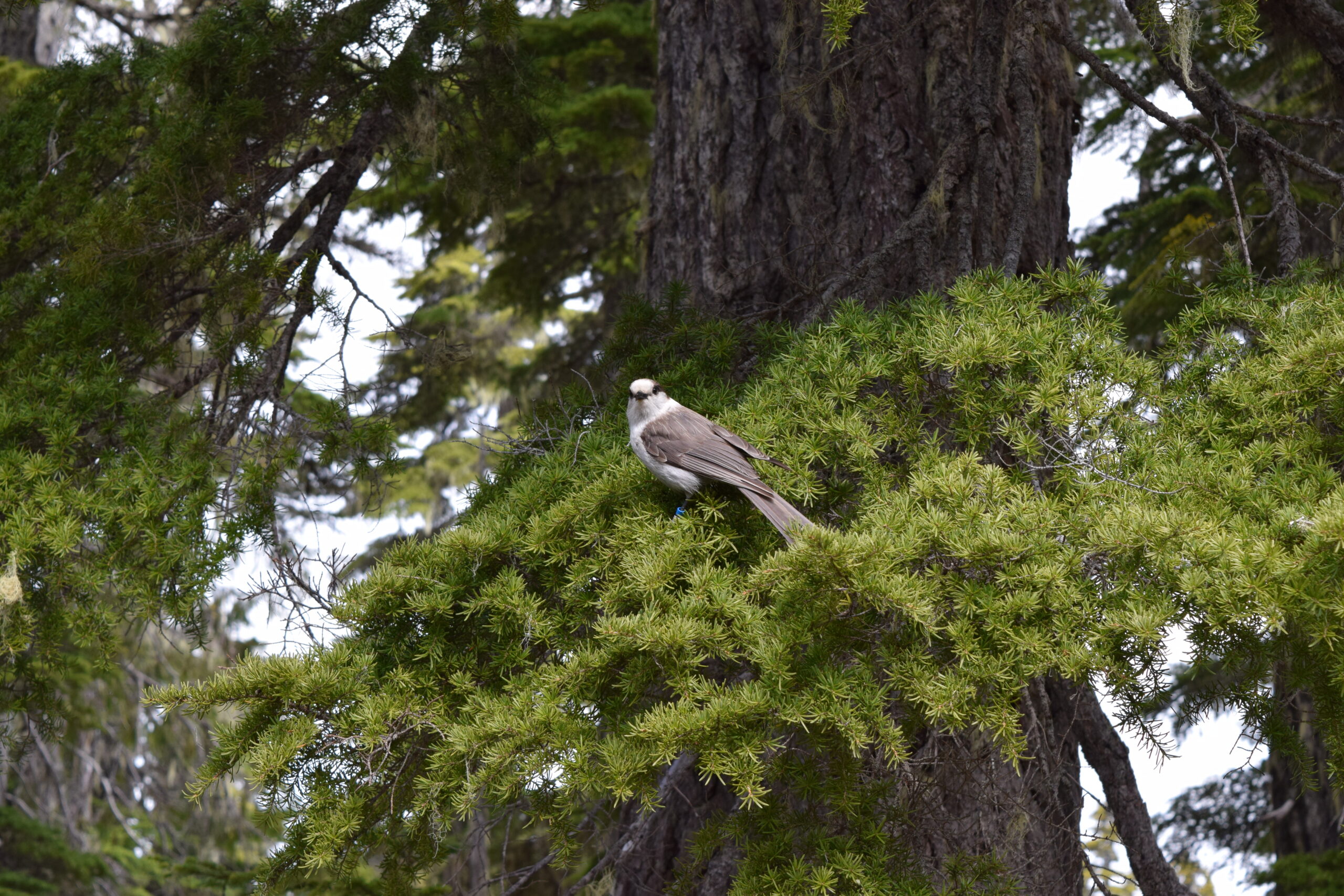
A colour-banded Canada Jay adult perched on a tree branch
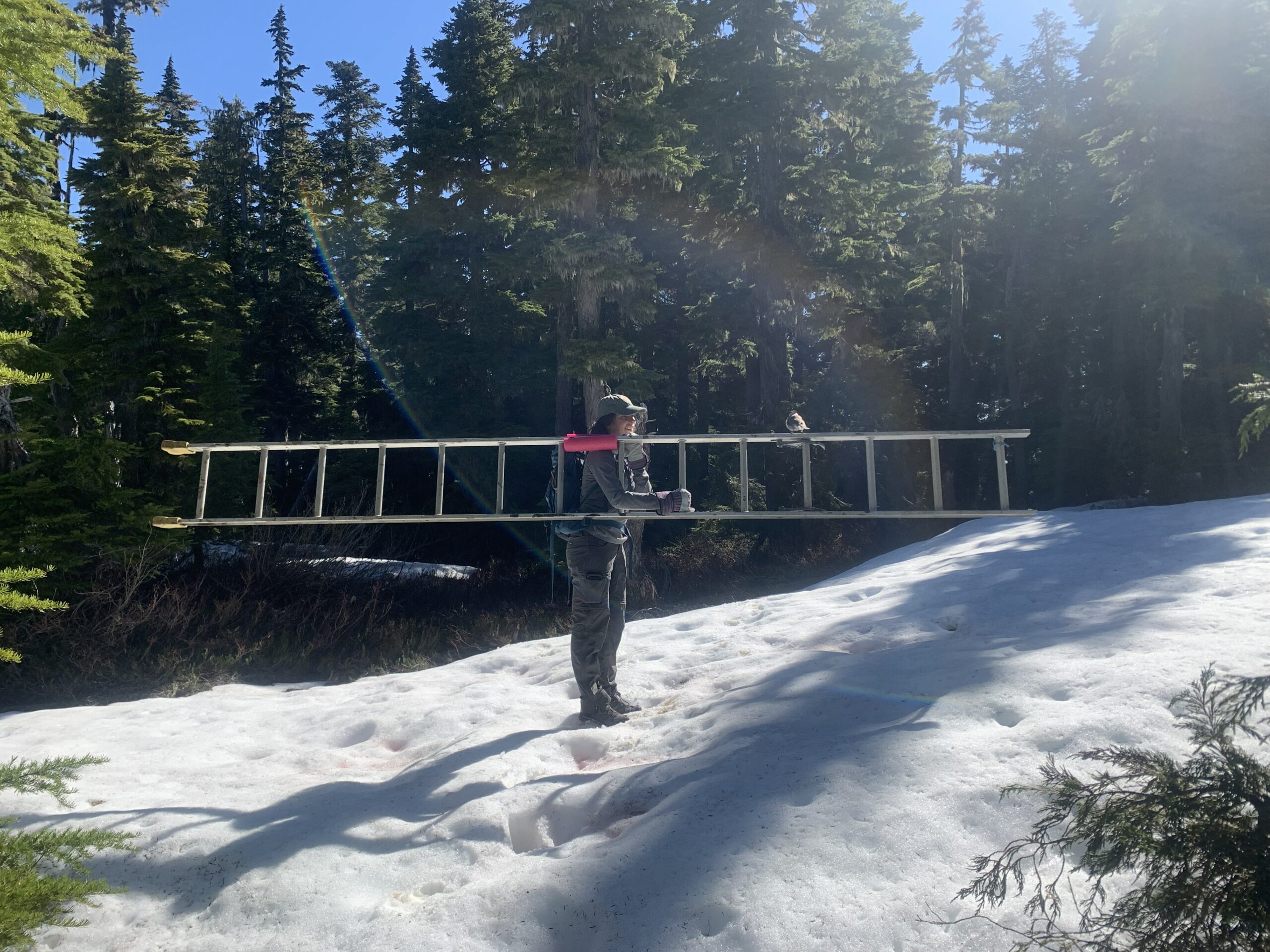
Research assistant, Zoe Strothkamp, with a Canada Jay perched on the ladder they are carrying
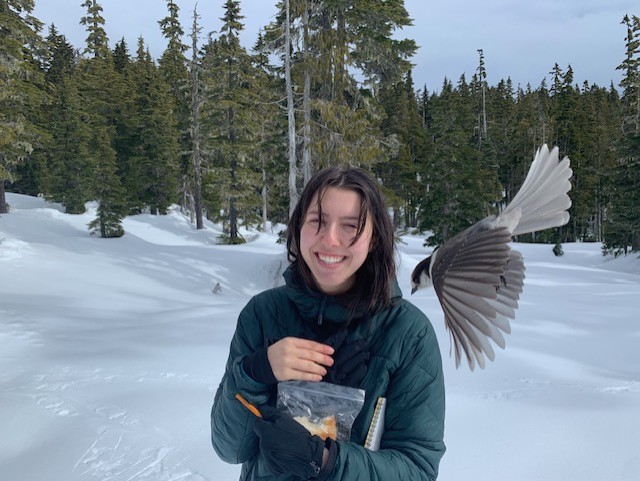
Research assistant, Lianna Dall’ Antonia, posing for a photo with a diving adult Canada Jay
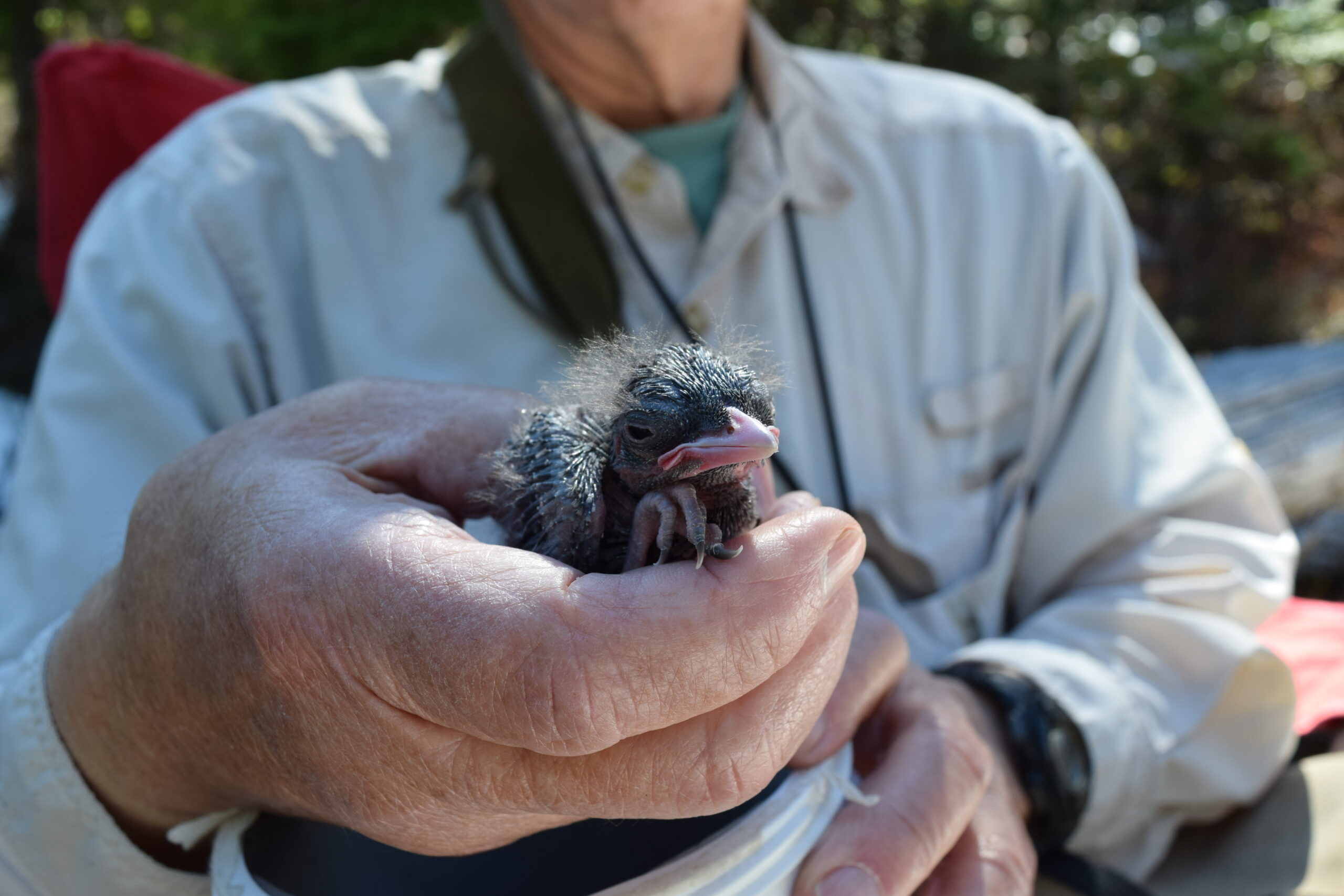
Researcher, Dan Strickland, holding a nestling Canada Jay ready for banding
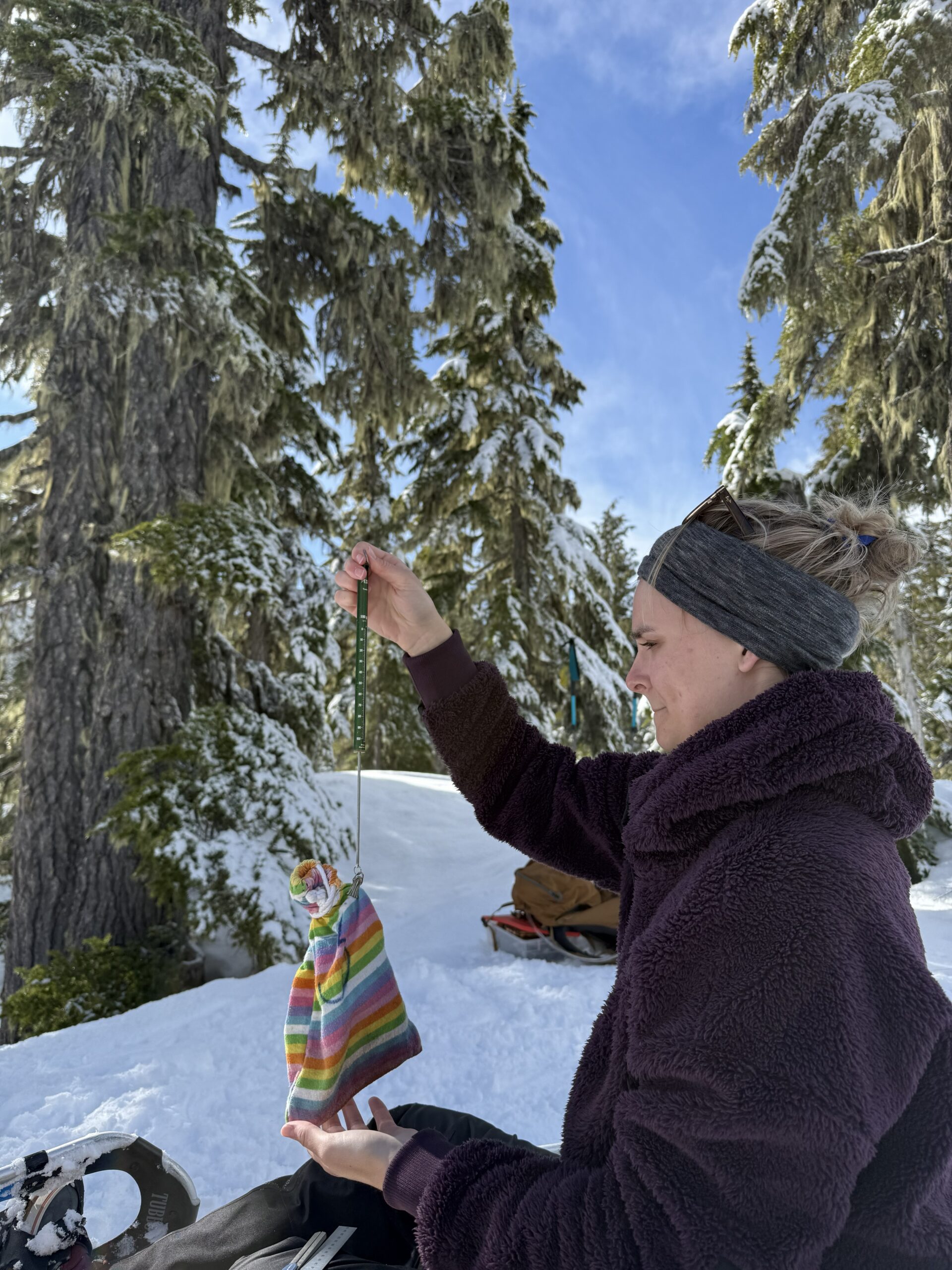
Researcher, Andie Siemens, weighing a Canada Jay in a bird bag
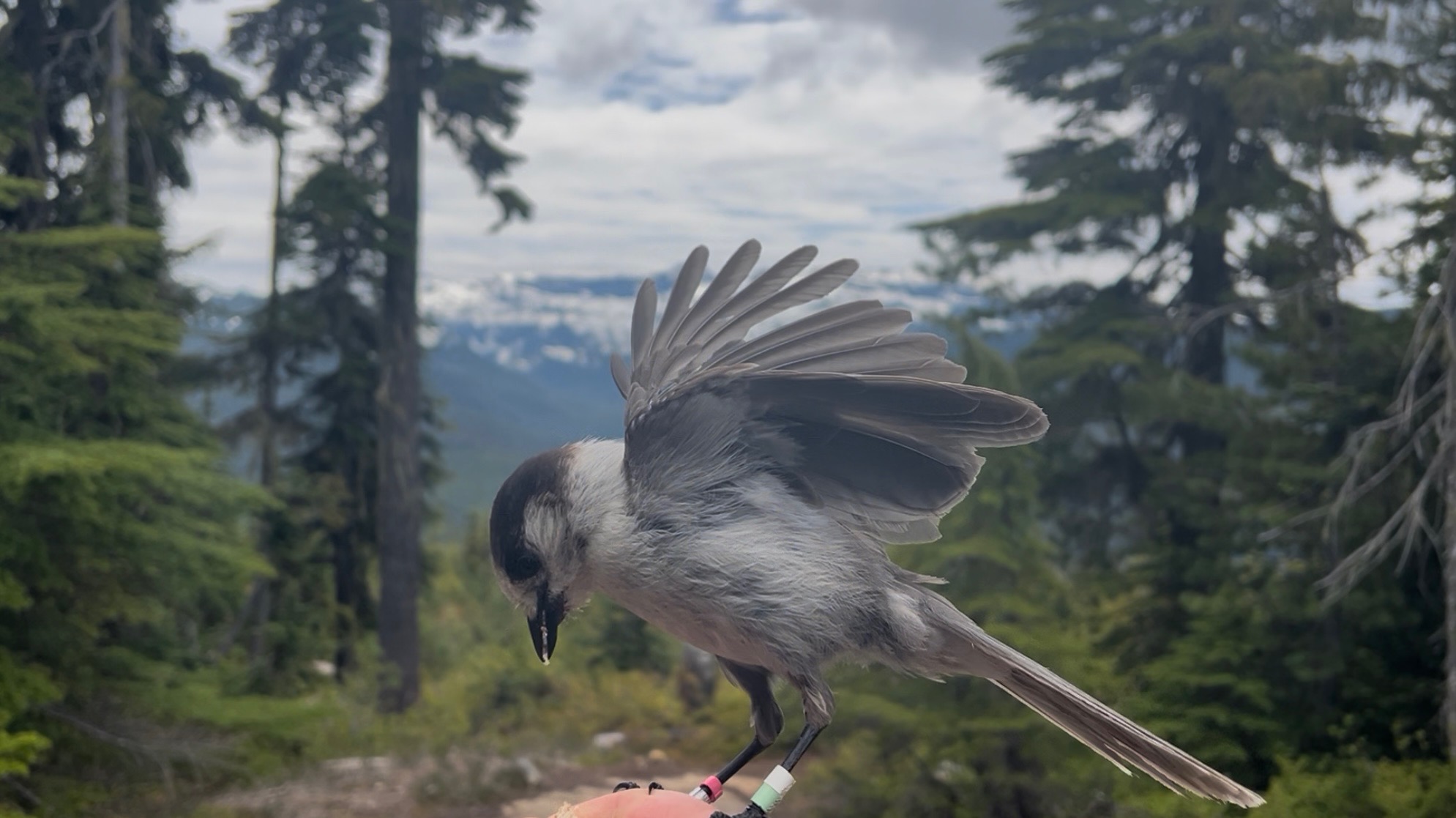
A colour-banded Canada Jay spreading its wings
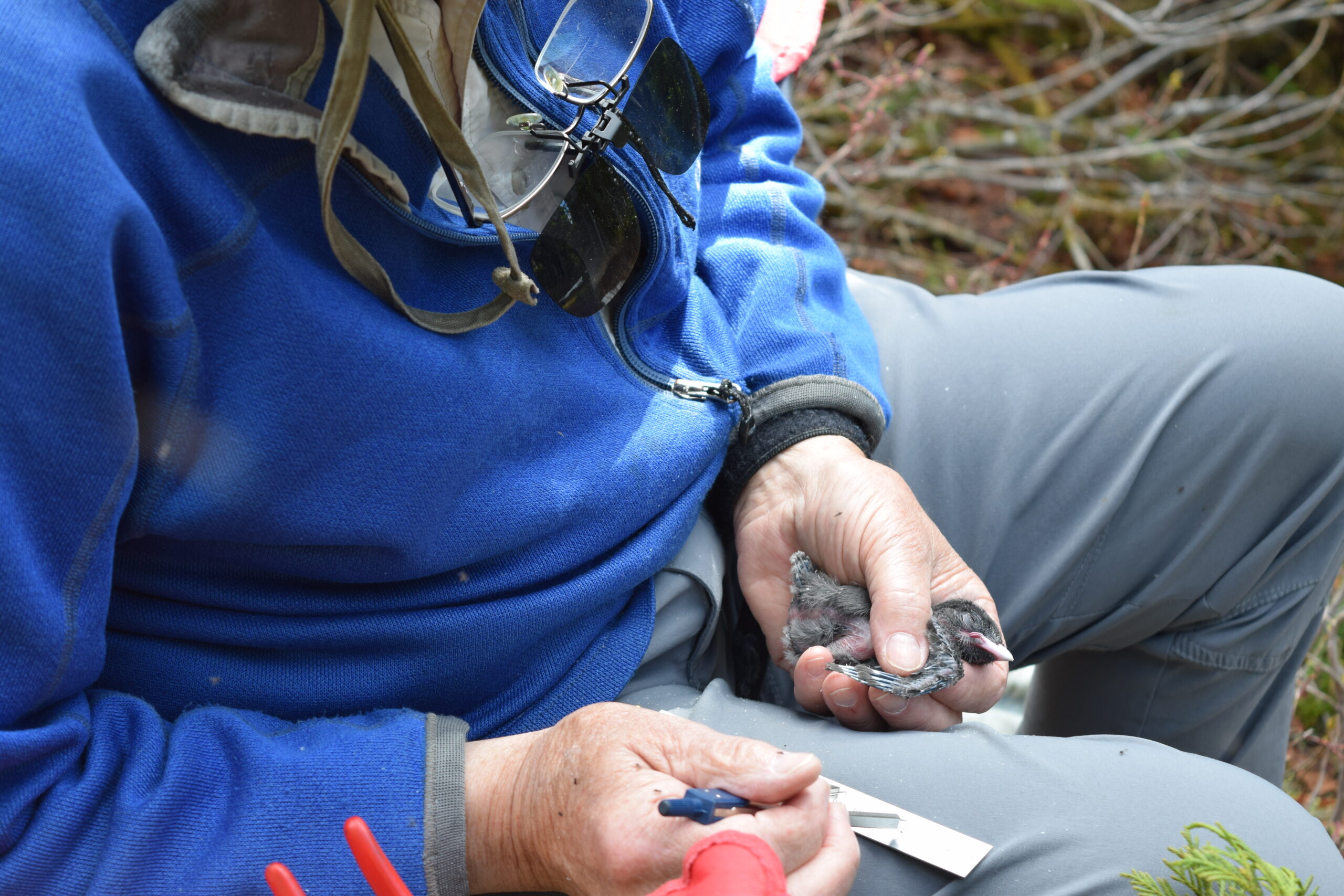
Researcher, Dan Strickland, taking body measurements of a nestling Canada Jay